

Blog
The Real Difference Between T Side Defaults on Inferno and Ancient

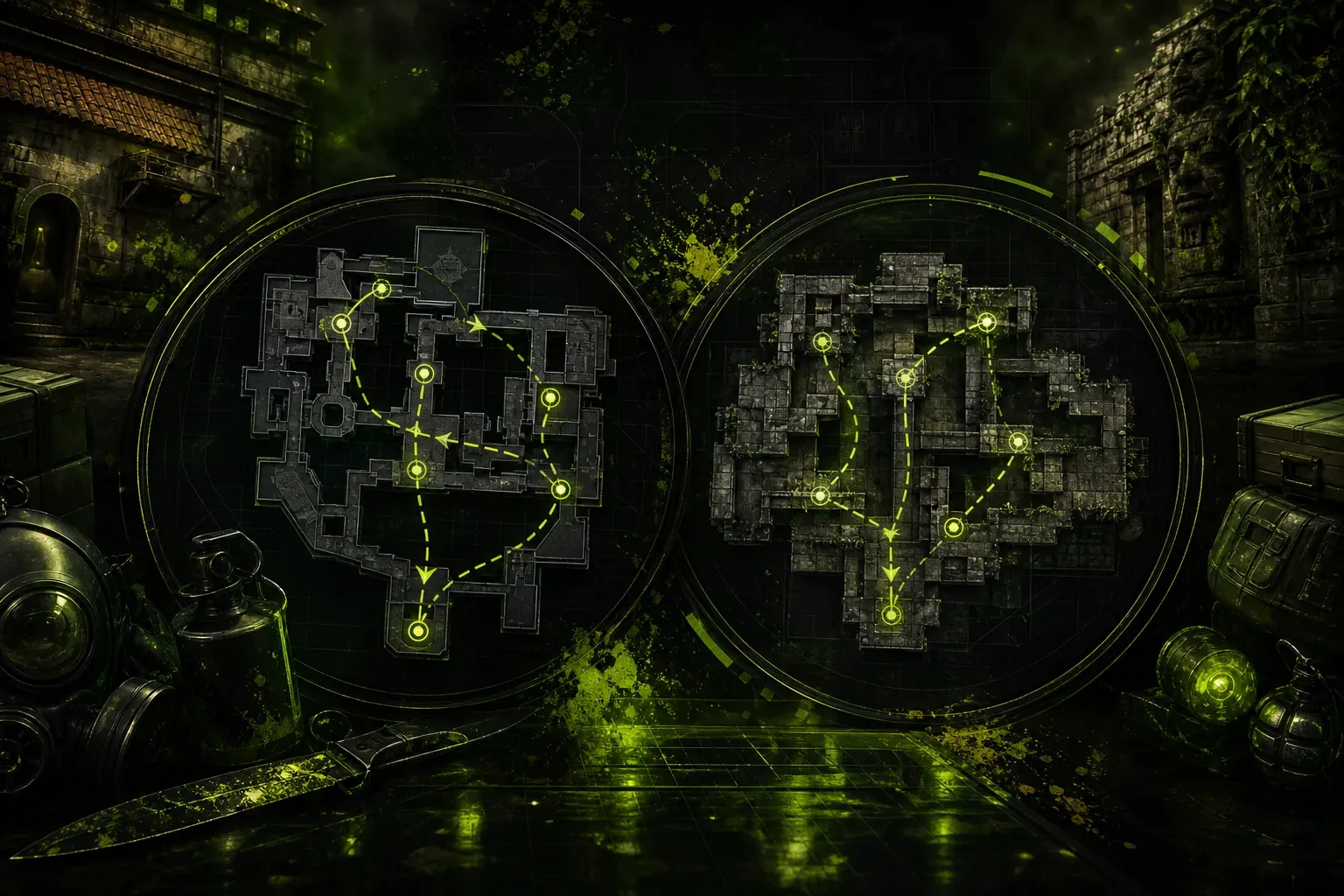
The first round on Inferno tells you everything. T side runs a calm default, two players creeping up Banana, one lurking top Mid, a late Apartments pressure, and the CTs are already sweating because every lane matters. Then you swap to Ancient and the same “default” turns into a weird little chess match where one player is basically babysitting Cave timing, another is staring at Donut, and suddenly your map control feels way more fragile. That’s the real difference: Inferno defaults are built to stretch CT rotations, while Ancient defaults are built to not get suffocated by them.
Inferno wants pressure everywhere, Ancient wants information first
Inferno is old-school in the best way. The map has obvious routes, and the default is all about making CTs respect three things at once: Banana, Mid, and Apartments. If you’re T side and nobody is taking Banana space by 1:15, you’re basically telling the CTs they can play a comfy 2-1-2 and save utility for later. That’s free value for them. On Inferno, a proper default usually starts by asking, “Who’s fighting Banana smoke? Who’s showing top Mid? Who’s holding Apartment push?” It’s about forcing reactions.
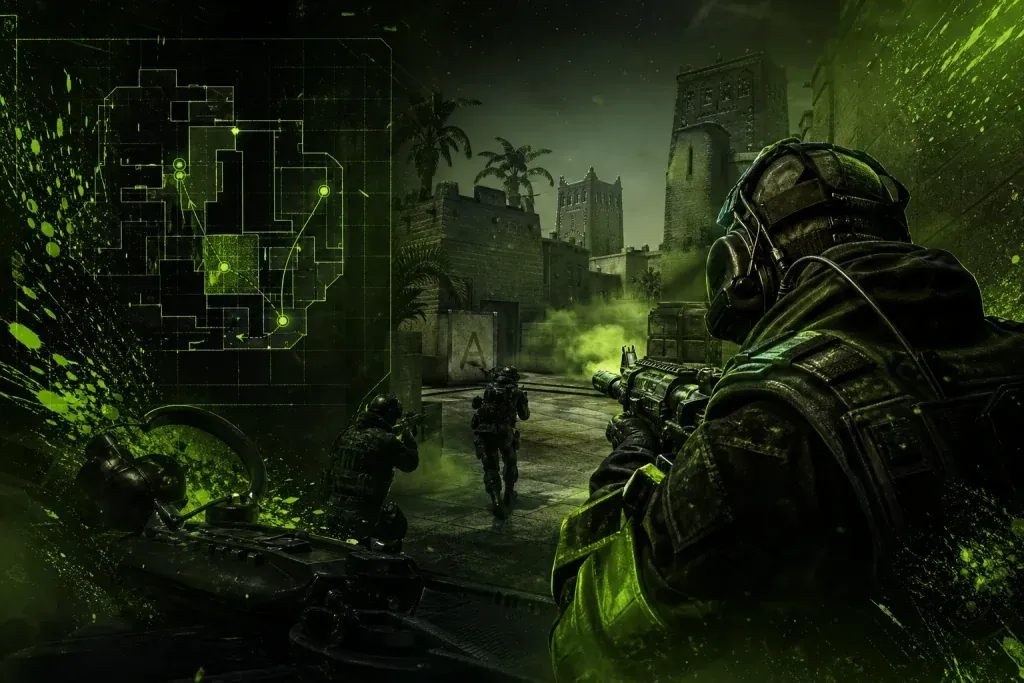
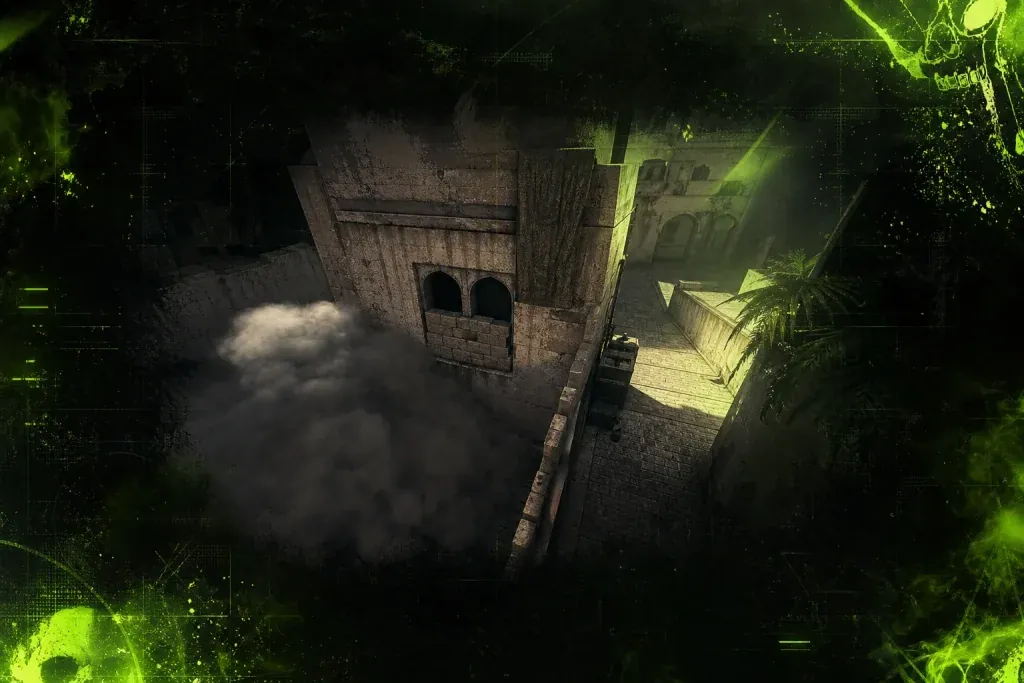
Ancient plays differently because the map is more layered and more annoying. You don’t just “own Mid” and call it a day. You need to manage Donut, Cave, B Main, and A Main timing while CTs can stack pressure from weird angles that would be suicidal on other maps. Source 2’s cleaner visibility didn’t magically make Ancient less claustrophobic — if anything, the map still feels like it rewards the side that collects first contact info without overcommitting. The default on Ancient is less about poking CT rotations and more about keeping your own mid-round from collapsing when someone swings out of Cave with a timing you should’ve anticipated.
Banana vs Cave: same job, totally different headache
People love to compare Banana and Cave like they’re just another “lane.” They’re not. Banana is a long, clear fight where utility value is obvious. You toss a 300-dollar Molotov, maybe a flash or two, and if you win the space you’ve basically rewritten the round economy for the CTs. One smoke and one molly can shut down an aggressive Banana take and force the CTs to burn extra nades just to keep pace. That matters in a 24-round CS2 match where everyone’s counting who can still buy full rifles on round 4.
Ancient’s Cave pressure is messier. It’s shorter, tighter, and nastier. CTs can hold Cave with a lot less commitment, and T side can’t just brute-force it the same way you’d fight Banana with HE stacks and early flashes. If your Ancient default has no answer for Cave, you’re not playing a default — you’re waiting to get flanked by geometry. And that’s the problem with a lot of bad Ancient T sides in Premier: they walk around the map like they’re on Mirage, then get pinched from Donut and spawn, and suddenly the round’s gone before anyone even sees a bombsite.
The utility math is not the same
- Inferno: early Banana control often costs 2-3 pieces of utility, but it can buy the round.
- Ancient: you spend utility just to keep the map from collapsing.
- Inferno defaults can turn into a B hit fast.
- Ancient defaults usually need one more layer — a fake, a mid pinch, or a late split.
Rotation bait on Inferno, timing punishment on Ancient
Inferno is the map where CTs get lured into over-rotating. You show pressure B, toss a couple of nades, maybe make some noise at Top Banana, and suddenly the B anchor is screaming for help while A is one flash away from getting hit. This is why elite teams make Inferno defaults look so smooth. Watch old Astralis demos or modern m0NESY-era G2 rounds — the point isn’t that they’re always taking fights, it’s that they’re making CTs decide wrong. That’s the whole sauce.
Ancient punishes the opposite mistake. On Inferno, a little late information can still be saved by a fast rotate or a decent anchor. On Ancient, if your default gets out-timed, the CTs can collapse on your spacing and you’re just dead in awkward pieces. There’s less room to fake your way back into the round because the sightlines and choke points are so compact. Once the CTs know your setup, they can lean hard into Donut aggression, Cave pushes, or even double-commit to mid and dare you to prove you brought a real plan.
That’s why Ancient defaults often feel slower even when they’re not. They have to be. You’re not trying to “condition” CTs in the same soft, obvious way you do on Inferno. You’re trying to survive the info war long enough to make the site hit honest.
Why Inferno defaults usually look cleaner on stream
Inferno is just easier to read. That’s not a knock — it’s why the map survives so many meta shifts. A T side default on Inferno has clean landmarks: Top Banana, Mid, Apartments, Arch, Library, Pit. Everyone watching knows where the action is. Even when the round gets messy, it still feels logical. You can tell a viewer, “We’ve got Banana control and a lurker in Apps,” and they instantly understand the threat.
Ancient doesn’t give you that same clean broadcast energy. A default might have one player jiggle-peeking B Main, one posted on Mid, one walking through Hut-ish timing near A Main, and a late lurk trying to catch Cave rotates — and none of that feels decisive until it suddenly is. That’s why bad teams on Ancient look busy instead of dangerous. They move a lot, but they don’t actually buy any space. Inferno punishes passivity. Ancient punishes confusion.
There’s a reason teams at Major level tend to make Inferno look more polished than Ancient unless they’ve drilled Ancient hard for months. The default on Inferno can be sharp, aggressive, and still readable. On Ancient, if your spacing is sloppy by even half a second, the round starts bleeding. Subtick in CS2 didn’t erase that. If anything, it made those tiny timing errors feel even more brutal because the peeks and trades come through so cleanly now.
What a real default looks like on each map
If you strip away the theory and just watch good teams, the shape of the defaults is pretty obvious. On Inferno, the goal is to choke CT utility and force a mistake on one side of the map. On Ancient, the goal is to gather enough map control that your final hit isn’t a blind leap into utility hell.
Here’s the simple version:
- Inferno: take Banana early, keep Mid honest, and keep Apartments pressure alive so CTs can’t overstack.
- Ancient: watch Cave, contest Mid, and don’t let CTs run free information plays off spawn.
- Inferno: a late B explode is always threatening.
- Ancient: a late A split or mid-to-B contact hit usually needs more setup.
And yes, the economy matters. If your team is on a 2nd-round force after winning pistol — say 1900-ish loss bonus money is building toward a third-round buy — Inferno lets you weaponize cheap utility and Banana pressure way better than Ancient does. On Ancient, a half-buy with limited nades can feel useless unless your aim is crisp or your timing is disgusting.
The mistake everyone makes when switching between them
The biggest mistake is treating both maps like they reward the same patience. They don’t. Inferno lets you stay loose longer because the map naturally funnels pressure into obvious fights. Ancient asks for tighter discipline from round one, and if your default spacing is bad, you get punished like you queued into a donk highlight reel. One bad contact, one mistimed re-peek, and the whole round falls apart before anyone can call the mid-round.
That’s why some teams look amazing on Inferno and weirdly flat on Ancient. They’re not worse players. They’re just running the wrong default philosophy. Inferno is about stretching the CT setup until it breaks. Ancient is about not getting trapped in yours.
If you’re trying to build a real T side, stop asking which map has the “better default.” Ask which one gives you room to breathe, and which one kills you the moment you get lazy. On Inferno, the CTs panic when the pressure spreads. On Ancient, you panic when you realize you never owned the map at all — so which one are you actually controlling?