


Blog
Why the Meta Keeps Rewarding Early Info Over Fancy Executes

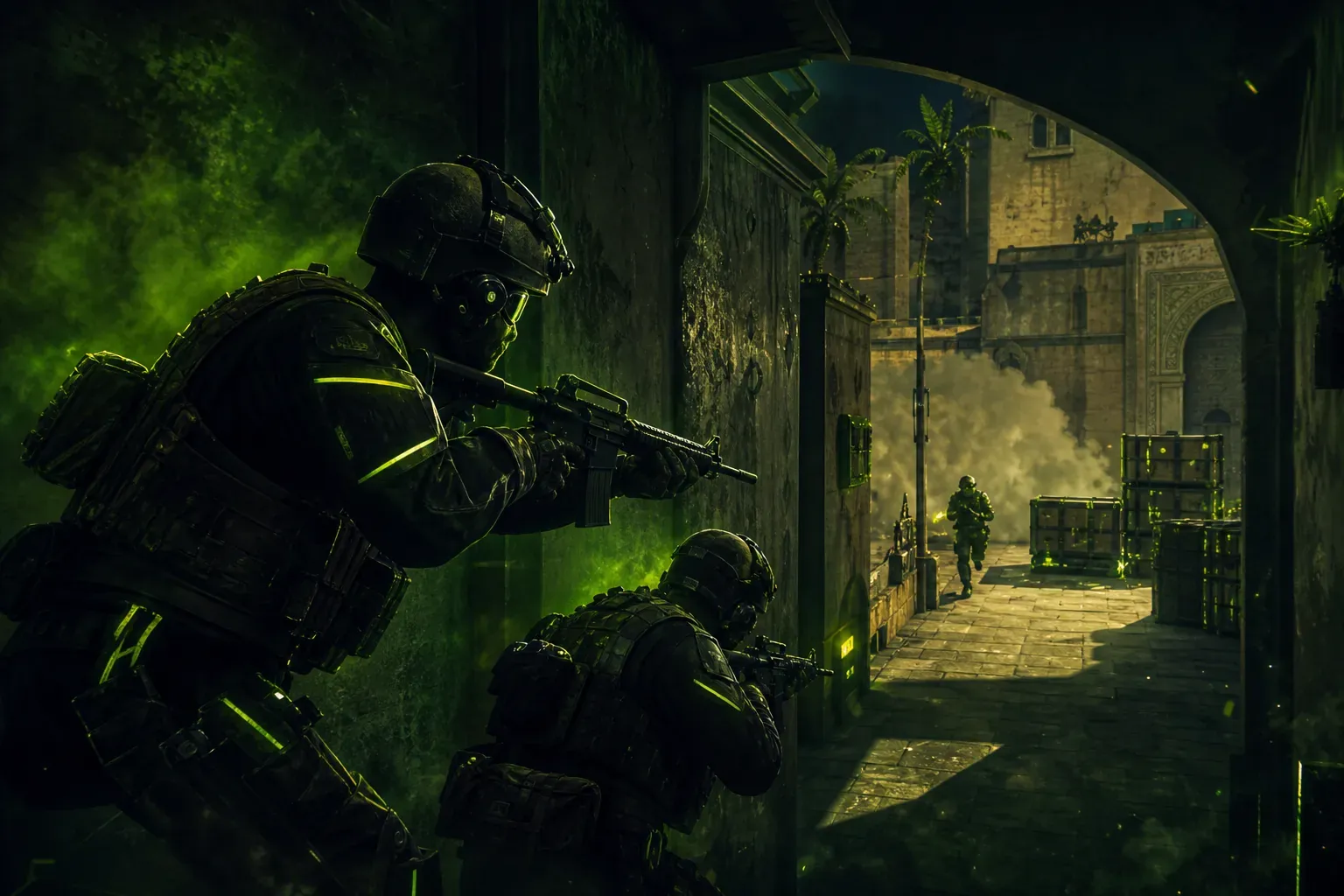
There’s a reason so many CS2 rounds look dead simple now: the team that gets first contact, first sound cue, or first piece of utility info usually gets to steer the whole round. You can have the prettiest A exec on Mirage—perfect smokes, a molotov for jungle, flash over CT, the whole lot—and if you didn’t know there was a third guy under palace or a boosted connector player, you’re basically asking to get farmed.
That’s the modern meta in one sentence. Early info wins rounds because CS2 is faster to punish and slower to forgive, and since Source 2 plus subtick made every peek feel a little cleaner and every shot a little more precise, teams are leaning harder than ever into taking space before they spend their smoke money like maniacs.
Why info is beating “beautiful” executes
The fancy stuff still matters, sure. No one’s saying a clean hit is dead. But late-round executes have a problem in CS2: defenders get way more value from a single heads-up call than attackers get from a five-piece script. If a CT on Ancient spots the first leg out B main, hears a ramp step, and gets a molly down early, your whole “textbook” exec can turn into a desperate scramble with 35 seconds left.
That’s why you keep seeing teams play for map control first and decide the round second. The info changes the math. A T side that knows the AWP is pushed deep on Dust2 short can hit B with confidence. A team that learns Overpass toilets is vacant can pivot into monster with almost no resistance. One little read, and suddenly the CT rotations are already on the back foot.
Fancy executes are still useful, but they’re much stronger when they’re built on something real instead of hope. That’s the part a lot of ranked players miss at around 10,000 to 15,000 CS Rating: they throw utility because a pro did it on stream, not because they forced anyone off a lane first.
Source 2 made the first duel matter more, not less
Subtick changed the feel of peeking and shooting, and people who kept saying CS2 would somehow become more “utility heavy” were kidding themselves. The better first shot registration just made proactive play feel cleaner. If you swing from connector on Mirage with a proper flash and catch the cat lurker before he can even set his crosshair, that round is basically yours. You didn’t need a seven-piece pop. You needed timing, sound, and someone on your team being brave enough to get info.
And because smokes behave a little differently than in CS:GO, plus the game’s visuals make edge-cases easier to read in some spots, teams are getting even more value out of map pressure instead of giant set pieces. A good Nuke outside take isn’t about making the prettiest wall smoke anymore. It’s about forcing the CTs to show their hand—are they double lobby? Is there an outside rotate? Did they push secret? That info decides whether you end outside to yard or go heaven pressure later.
Players like m0NESY and donk are great examples of this meta shift, even if they do it in totally different ways. m0NESY reads space insanely well; he’ll take a tiny angle and turn it into a full-round read. donk just brute-forces early duels with ridiculous confidence. Different styles, same outcome: they’re both denying the other side the chance to hide behind a comfy setup.
Teams aren’t “defaulting” for no reason
People love to complain about defaults like they’re passive or boring. Nah. Defaults are just the tax you pay to make sure the other side can’t run free. On Inferno, a solid T default gets info on banana, apartments, and mid pressure before you even think about committing. If you don’t know whether the CTs have a deep banana setup or a double-pit anchor, your late-round A split is guessing. Guessing gets you killed.
Look at the best teams from recent Majors and elite events: they don’t rush into flashy hits unless they’ve already earned something. One lurk push. One smoke gap exploit. One CT rotator forced off angle. That’s enough to reshape the round. It’s not sexy, but it wins on the server.
Here’s the ugly truth:
- Info costs less than a full exec.
- It’s safer than dry peeking five angles at once.
- It makes the enemy spend utility early, which matters when every smoke is $300 and every molly is $400.
- It creates better odds for the late-round caller, especially when the clock drops under 45 seconds.
And yeah, economy matters here too. If your CTs burn two HEs and a flash just to hold apartments on Inferno, that’s value. If your T side spends $1,100 trying to fake a site without first checking if anyone’s even there, that’s just bad CS.
The best “exec” is usually the one that starts with a kill
This is the part a lot of players still refuse to accept. A proper execute isn’t the moment you throw the smokes. It’s the moment you’ve already made the defense react. If you kill the Mirage connector player early, your A hit gets way easier. If you isolate the Ancient cave player, B site suddenly looks thin. If you take Overpass bathroom control and force the anchor off short, your monster execute becomes a cleanup job instead of a coin flip.
That’s why you see so many teams pair utility with active map pressure. A pop flash isn’t there to make the round pretty; it’s there to make someone move. A molotov isn’t some fancy garnish; it’s a timer on a defender’s patience. Once they’re forced to show, the round opens up.
There’s a reason s1mple at his peak was so terrifying on passive CT setups, and a reason ZywOo still looks unfair when he gets early reads on the map. They don’t just click heads. They compress the round. They make the enemy act before they’re ready, and that’s worth more than a five-man walkout with perfect spacing.
What this means for your Premier games
If you’re grinding CS Rating and wondering why your team keeps losing after “good executes,” check whether you actually earned any info before committing. Most Premier games aren’t lost because your smoke lineups are bad. They’re lost because no one cleared the key space first, then your plan got run over by a rotator, a stack, or a silent push behind you.
Try thinking about rounds like this:
- Take one lane.
- Force one reaction.
- Count the utility.
- Then hit the site that looks weakest.
On Train, that might mean testing Ivy or popdog before you commit A. On Vertigo, it’s usually ramp pressure and a quick read on whether they’ve overstacked B. On Anubis, mid info is priceless because it tells you if the defense is trying to pinch through water or just sit back and pray.
The whole point is simple: early info reduces uncertainty, and uncertainty is what makes executes messy. CS2 rewards the team that knows where the fights are before the fights happen. Not the one with the fanciest smoke playlist.
So stop worshipping the smoke stack
If your plan depends on five smokes landing perfectly while the other team sits still and waits, you’re already behind. The meta keeps rewarding early info because it gives you agency. It tells you where the round is going before the round decides it for you. That’s real control.
Fancy executes still win rounds, but only after someone’s done the boring work. Take the space. Get the sound cue. Force the rotate. Then hit the site and make the defense explain itself.
That’s CS2 right now: the first useful piece of information is often the round-winning play. So the real question is, are you still playing for the clip, or are you actually playing to win?