

Blog
Case Study: How a Simple B Split Cracked Open a 13-11 Mirage

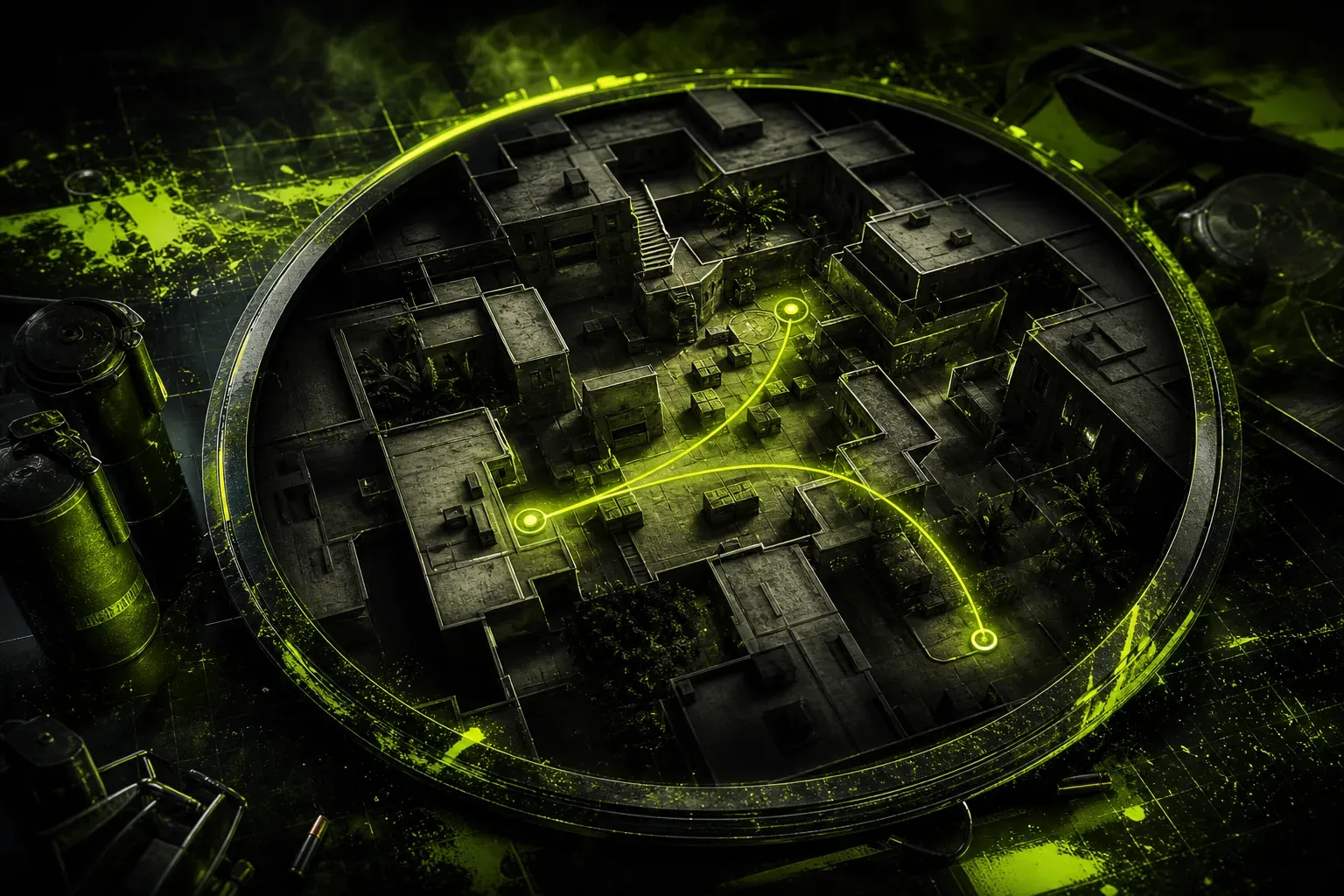
13-11 on Mirage always feels uglier than it looks on the scoreboard. One round you’re one missed molly away from a clean B split, the next you’re staring at a 2v2 because somebody got too cute with a mid push. This was one of those games where the winning side didn’t need a miracle read, just a clean, repeatable B hit that punished the exact kind of Mirage CT setup everyone still runs in Premier.
The round before the split told the whole story
The score was 11-11, the money was messy, and both teams were playing like they knew the next round could break the map. CTs had been leaning on the usual Mirage comfort: one player close bench/van, one rotating from window or market, and enough pressure in mid to make the T side hesitate. That’s standard stuff. The problem is that standard Mirage CT defense falls apart the second B gets hit from two angles at once.
What made this B split work wasn’t some fancy set piece stolen from a Major demo. It was the timing. The T side waited for the connector player to show presence, then hit through apps and short B almost at the same moment. If you’ve played enough Source 2 Mirage, you know how fast subtick makes those first contact duels feel. One clean jump-spot, one slight delay on the rotation, and suddenly the whole site is split open.
Why B splits still shred Mirage
People overcomplicate Mirage like it’s Ancient or Nuke. It isn’t. Mirage is still a map where B falls apart the moment the defenders can’t see both lanes. If apartments pressure lands late, the bench player gets isolated. If short B timing is early, market gets pinched. If the connector lurker does his job, window and cat become useless peeks instead of real map control.
This is why the B split is so nasty in CS2. Source 2’s clearer visibility and the way smokes bloom now make the hit easier to coordinate, not harder. You don’t need to out-aim a donk or m0NESY highlight reel every round; you just need the CTs to make one awkward decision. Rotate too early and you lose bench control. Stay too long and you get cut off from market. That’s the whole trick.
The setup that mattered
The T side didn’t rush. That’s the big mistake bad Mirage teams make — they think B split means five people sprinting through apps like it’s Faceit pugs at 1:30. This was slower and cleaner. The setup looked like this:
- One player held top mid for window pressure.
- One lurked underpass to keep connector honest.
- Two players staged in apartments with a flash and molly ready.
- The last player stayed close short B, making sure market couldn’t breathe.
That’s not flashy. It’s just correct. And correct CS wins more rounds than heroic nonsense does, especially at 11-11 when everyone’s nerves are cooked.
The utility did the boring work, which is exactly why it worked
Here’s the part most players skip when they watch clips on Twitter: the utility wasn’t used to get kills, it was used to remove options. That’s a massive difference.
The first piece was a molly into van/bench. Not a perfect highlight molly, just enough to force the anchor off the most important pixel. Then came the flash over apartments, timed so the B apps players could swing into site before the CT anchor got a fair fight. The short B player threw a second flash to blind anyone rotating from market, and that detail mattered more than the killfeed. If market is dark for even half a second, the B defender has to either trust timing or swing into a crossfire. Neither option is good.
Mirage B hits live and die on those tiny timing windows. CS2 subtick didn’t magically fix that — it just made the punish feel even cleaner when the utility lands properly. If you’re late by a beat, the round becomes a coin flip. If you’re on time, CTs get trapped in a six-second nightmare.
What the CTs got wrong
The defending team made the classic mistake: they thought B was a single-lane problem. It wasn’t. They overstacked mid and connector early because they were scared of the default, and that left the B anchor with no real support when the hit came. You see this a lot in Premier, especially around the 15k to 20k CS Rating range, where teams know the idea of rotations but not the rhythm of them.
Once the first kill landed in site, the CTs had two choices — save the rifle and give up the round, or force through apartments and market with no real flash support. They chose the ugly middle option and got deleted. That’s the kind of decision that turns a close map into a loss people remember for the wrong reasons.
CS2 economy made the choice worse. At 11-11, losing a rifle plus two pieces of utility basically means you’re walking into the next round with a broken buy and maybe one smoke if you’re lucky. On Mirage, that’s brutal. You can’t half-buy your way out of a B collapse when the terrorists still have a balanced rifle buy and full nades.
Why this wasn’t a pro-only round
That’s the thing I like about this play: it’s not some impossible pro setup reserved for s1mple-era NAVI, ZywOo anchoring a site with a Deagle, or donk taking over a lobby fight at IEM Katowice. It’s a practical team round. Five players, clear timings, normal utility, no magic.
You could run this in a Premier stack tonight if your comms are decent. You don’t even need insane individual mechanics. You need:
- one player who can hold mid without panicking,
- one lurker who doesn’t die underpass for free,
- and two guys in apps who actually wait for the flash instead of dry swinging like maniacs.
That’s enough. Seriously. Most Mirage rounds are lost because people want a clean fight instead of a messy win. CS doesn’t care about your ego. The round counter does.
The 13-11 finish wasn’t about aim
Once the B split connected, the rest of the map was basically over. The CT side had to save rifles, the T side got the bomb down, and the economy spiral did the rest. That’s how Mirage punishes bad spacing. One good B split at the right scoreline doesn’t just win a round; it wrecks the entire structure around it.
And that’s why this kind of round is still so important in CS2. You can talk about fancy defaults, mid-rounding, and pro-level reads all day, but if you can’t crack open B on Mirage with a simple split, you’re going to bleed rounds against teams that know exactly where to stand. The old playbook still works because too many teams defend like they’re waiting for the map to come to them.
Mirage keeps exposing that weakness. Every single time.
So next time you’re stuck at 11-11 and your team wants to force a late A exec because it “feels safer,” ask the real question: why are you avoiding the site that breaks the CT setup fastest?