

Blog
What Makes a Good Support Player in CS2 Right Now

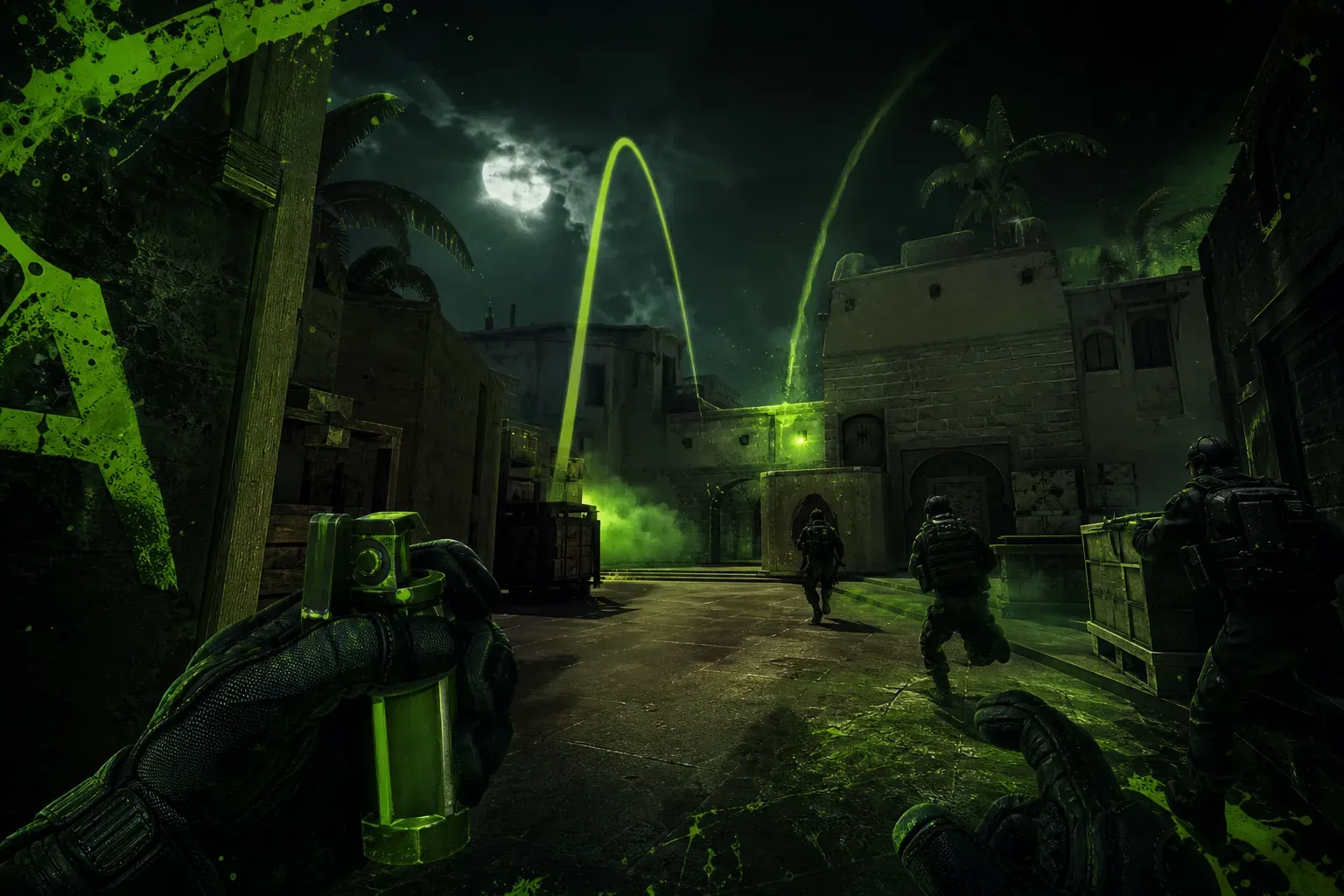
I’ve watched plenty of CS2 games where the star rifler had 28 kills and the support player had 11 — and the support still won the map. That’s the part people miss. Right now, in Source 2 with subtick doing its thing and everyone obsessing over aim clips, a good support isn’t the guy who “doesn’t get to play.” He’s the one who makes sure the round actually works.
Support is not just the flashbang guy
Back in the day, people had this lazy idea that support meant carrying smokes and dying first. That’s not support. That’s just being underused.
Modern CS2 support play is way more layered. You’re spacing fights so your entry can peek off your contact. You’re timing your util so the AWPer doesn’t get to take a free duel. You’re keeping the round economy from collapsing when your team’s at $2,350 and one bad buy can ruin three rounds of momentum.
A good support player is basically the round’s glue. Not flashy. Not loud. But when he’s missing, everything falls apart.
The best supports make space before the duel starts
Support work begins before anyone sees an enemy. That’s the real tell. On Mirage, a proper B exec isn’t “throw smoke, flash, pray.” It’s window smoke, short molly, market flash, and a second piece of utility to stop the rotate timing from getting weird. On Inferno, if banana is free and your support isn’t controlling the space with a HE, a flash, or a body, then CTs get to keep the map for free.
Same thing on Ancient and Nuke. Ancient mid is useless if your support just sits in spawn and waits for the IGL to call something. On Nuke, outside control lives and dies on whether someone understands how to layer smokes and flashes without burning the whole set too early.
Support players don’t just help with executes. They make the enemy uncomfortable early. That’s huge in CS2 because with subtick, people are already more willing to swing on timing. If your utility is late by even half a second, the round can feel cooked.
What that looks like in a real round
- Trading the first man instead of staring at the same angle.
- Holding your flash until your teammate actually commits.
- Buying the boring grenade when everyone else wants a second rifle.
- Dropping a CZ, MP9, or Galil at the right time because $50 can matter over three rounds.
- Playing alive in post-plant instead of chasing a highlight kill you didn’t need.
Utility timing beats highlight utility every time
This is where most ranked players get it wrong. They know lineups. They don’t know timing.
There’s a massive difference between a perfect smoke and a perfect smoke that lands when your entry is already dead. The best support players have a feel for the round clock. On a standard MR12 half, every second matters more because you’ve got fewer rounds to recover from mistakes. If you burn three pieces of utility before the 1:45 mark and gain nothing, you’ve basically donated control.
Look at teams at the Major level — the clean ones don’t just throw util, they chain it. One flash forces the crosshair up, the next piece makes the defender move, and then the entry goes. That’s why guys like karrigan have always valued support discipline, and why donk looks so disgusting when his team gives him the right timing instead of random solo pops. It’s not magic. It’s structure.
In CS2, this matters even more because everyone’s trying to take faster contact fights. If you can delay that with one well-placed HE or a pop flash off the wall, you’ve already won a chunk of the round before the duels start.
Good supports know when to disappear
This one sounds weird, but hear me out. A support player doesn’t need to be involved in every fight. Sometimes the best thing you can do is get out of the way.
Take an A split on Overpass. If you’ve got one guy long, one guy bank, and your support throwing from connector, you don’t want all three players stacking the same tiny angle and screwing up the spacing. Same idea on Vertigo ramp takes — if your support is fighting for the same piece of real estate as the entry, you’re not supporting anything. You’re just clogging the play.
The really good support players read the round and choose between three jobs:
- set the entry up
- anchor the fallback
- stay alive for the retake
That last one matters more than people admit. On CT side, a surviving support with full util can be the difference between a clean retake and a desperate 2v4 where everyone’s dry and angry. ZywOo’s teams have benefited from that kind of discipline for years — not because he needs babysitting, but because someone has to make the whole machine run cleanly around him.
Support players need aim, but not ego aim
Yeah, you still need to shoot people. CS2 isn’t some pure utility sim. If your rifle aim is a liability, you’re not a support player, you’re a donation box.
But support aim is different from star rifler aim. You need first-bullet discipline, anti-flash timing, and the ability to win ugly fights: 24 HP, bomb down, holding from CT on Dust2, or a late lurk on Anubis where your only job is to keep the lurker honest. You don’t need to dry-swing like m0NESY unless the read is perfect. You need to be boringly correct.
That means a lot of body positioning stuff that players ignore at lower Premier ratings. Shoulder peek the angle to bait the shot. Keep the crosshair low when you know the swing is coming from a crouch angle. Play for the trade, not the ego duel. If you’re constantly trying to top the scoreboard, you’re probably failing the actual job.
The economy is where support players quietly carry
Support is where rounds are won before the scoreboard looks pretty.
When your team’s sitting at $3,150 and the IGL wants a force, the support player is often the one making the sensible call: don’t buy a random M4 and no utility if it means the next round is dead on arrival. Don’t force a Deagle and no kit on CT side just because you feel spicy. Buy the flash. Buy the smoke. Buy the kit. Sometimes buy nothing and drop two rifles next round. That’s not cowardice. That’s actually understanding the game.
This is also why support players in Premier often look “less impactful” than they are. A guy who drops a rifle, keeps a flash, and saves a kit can swing two rounds later in ways a scoreline never captures. The players who climb hardest aren’t always the best aimers; they’re the ones who understand when to spend and when to bank.
Bad support play usually looks like this:
- full buy with zero plan
- utility wasted in spawn
- dies first with a smoke still in hand
- retakes with no kit
- never drops for the teammate who can actually win the round
The meta changed, but the role still rewards the same brain
CS2’s subtick, the cleaner grenades, and the faster pace of modern pro play have changed the feel of support, but not the core idea. Good support players still need timing, selflessness, and a mean understanding of map control. The names on the scoreboard can change. The job doesn’t.
When FaZe, Vitality, or Spirit look clean on a map, it’s usually because the support work is invisible in all the right ways. No wasted util. No useless hero plays. No round where the star entry is left to dry peek three angles because someone forgot the flash timing. That’s the standard now.
If you want to be a good support in CS2, stop thinking like a passenger. You’re not there to exist near the stars. You’re there to make sure the round bends your way — on Mirage cat, Inferno banana, Nuke outside, whatever the map throws at you.
So ask yourself this the next time you queue Premier: are you supporting the round, or just carrying grenades around until you die with them?