

Blog
AWP Repositioning on Train: The Old CS 1.6 Habit That Still Works

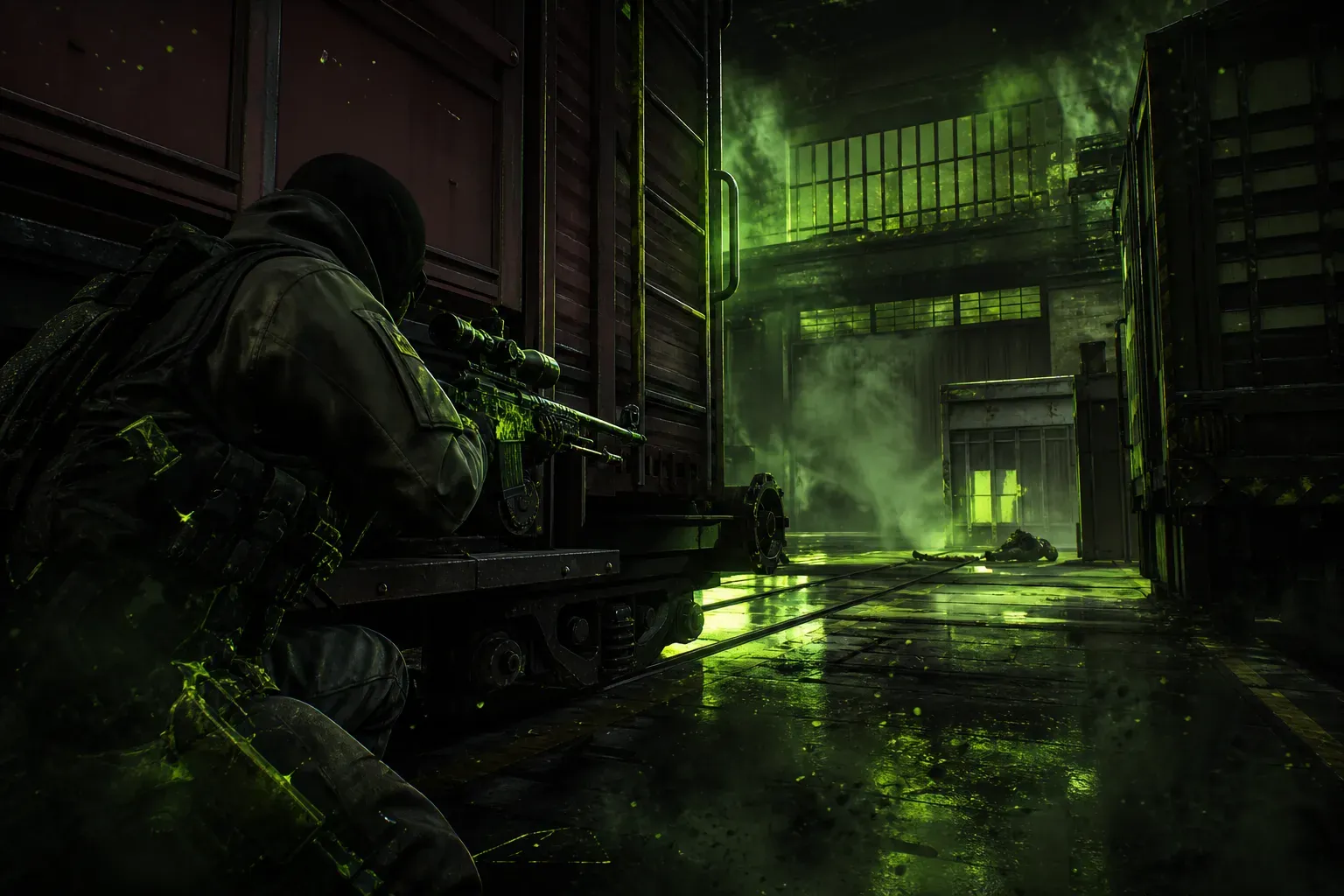
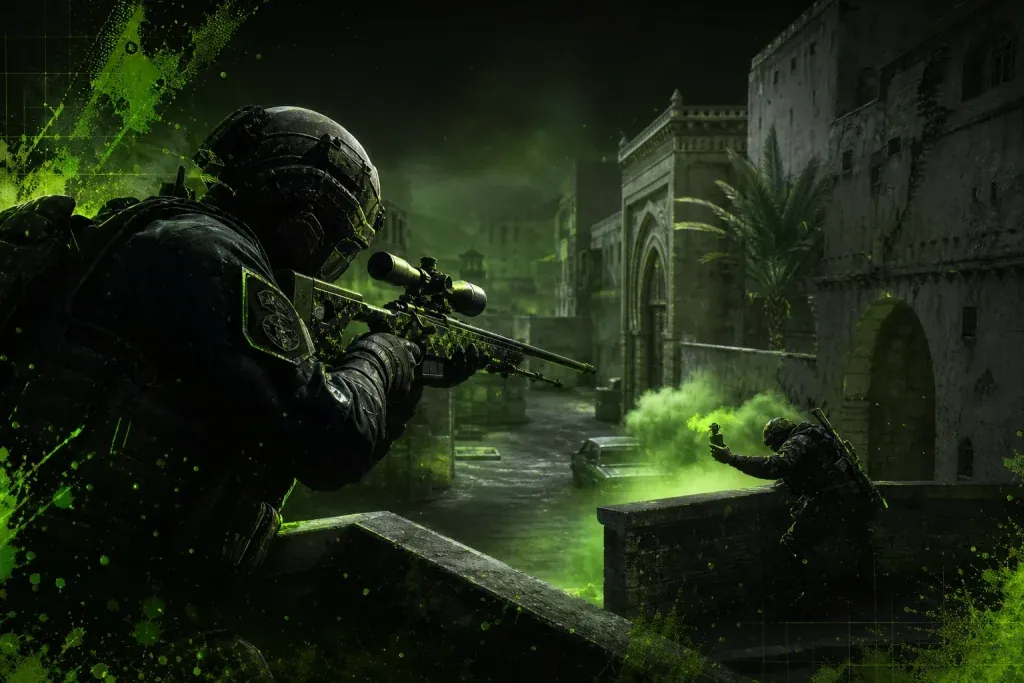
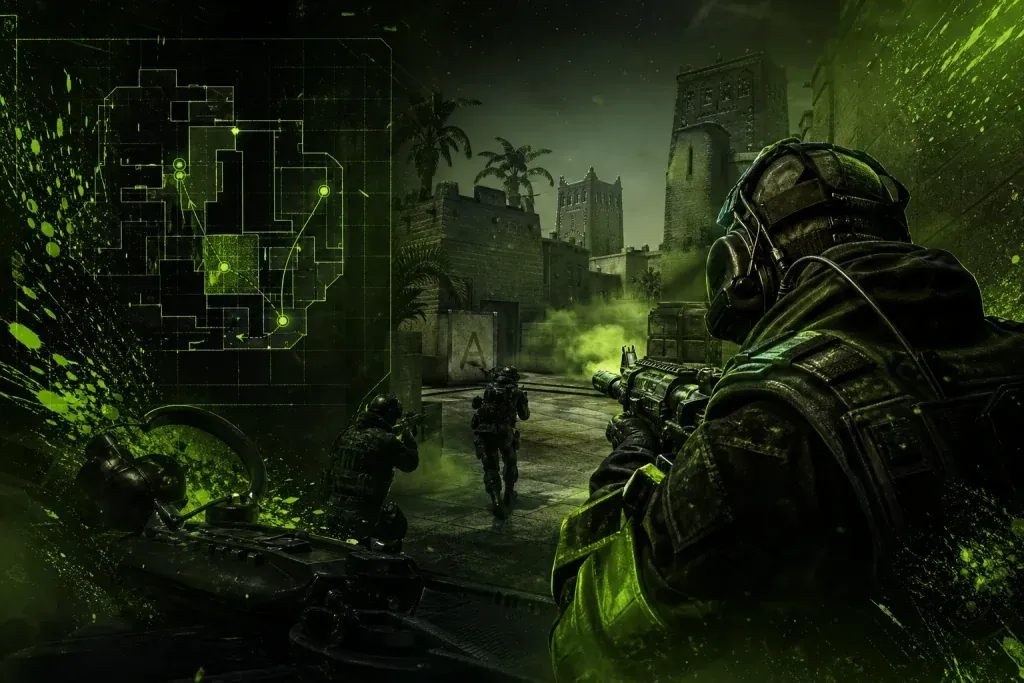
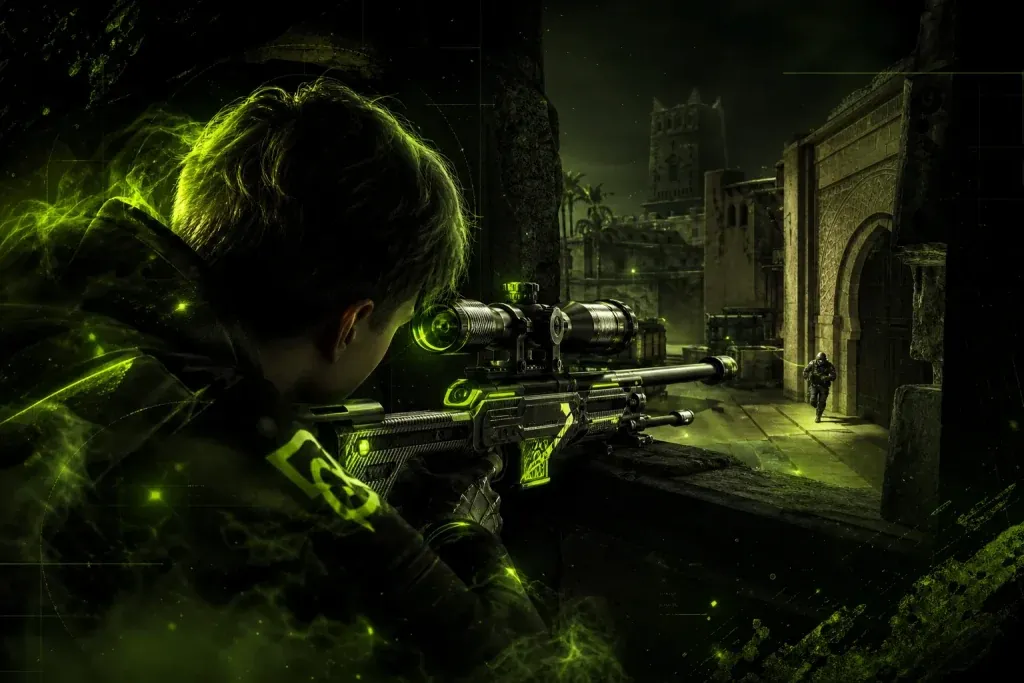
First bullet, first death: the guy holds red train on A site with the AWP, gets a tag on Ivy, and then just stands there like it’s 2014. Next round, he’s dead to a dry peek from pop. That’s the whole problem. Train punishes lazy AWPers harder than almost any map in the pool, and the old CS 1.6 habit of shooting once, moving, then re-peeking from a different angle still hits like a truck in CS2.
Train is back in the map pool, Source 2 is doing its subtick thing, and the teams that play the sniper like a turret are getting farmed. The ones that treat every shot like it gives away your life? They’re the ones farming rounds. The funny part is that this isn’t some new “CS2 meta” invention. It’s ancient Counter-Strike. The old heads knew it. The new kids who grew up on Mirage AWP ramps and Palace clips are learning it the hard way.
Train is a punishment map, not a comfort map
Train has always been about timing, off-angles, and not getting greedy. The lanes are long, yes, but they’re also packed with cover, weird spacing, and multiple ways for the T side to isolate you. If you miss your shot on Ivy or from connector-ish positions near A site, you can’t just plant your feet and hope the next duel comes to you. That’s how you donate a $4750 rifle to a round where the CT economy is already touchy.
And that matters because the AWP isn’t just expensive, it changes the entire round economy. At $4750, you’re basically telling your team, “I’m the win condition, don’t mess this up.” If you die first and leave no reposition, you’ve thrown away an anti-eco, a force buy, and probably the next full buy too. That hurts on Premier even more because everyone’s CS Rating makes people think they’re smarter than they are.
Why Train still rewards the 1.6 brain
In 1.6, the AWP wasn’t about holding the same line forever. You’d take a shot, fall back, and reappear somewhere else before the T side could process what happened. That habit is still gold in CS2, especially on Train where the map geometry gives you plenty of escape routes if you’re actually thinking ahead. Red train, back train, Ivy, upper connector, ladder-ish rotations around A site — all of it gives you room to disappear and make the Ts second-guess every second peek.
CS2’s subtick system hasn’t changed the basic truth here. The server can be cleaner, the peeks can feel different, but if you re-peek the same angle after firing, you’re still offering the enemy the easiest swing of their life. Donk can get away with nonsense because his mechanics are absurd. You and I? We need the map to work for us.
The best AWP repositioning spots on Train
You don’t need some mystical “AWP masterclass” setup. You need positions that let you shoot once and move without losing all map control. Train gives you that, but only if you’re disciplined.
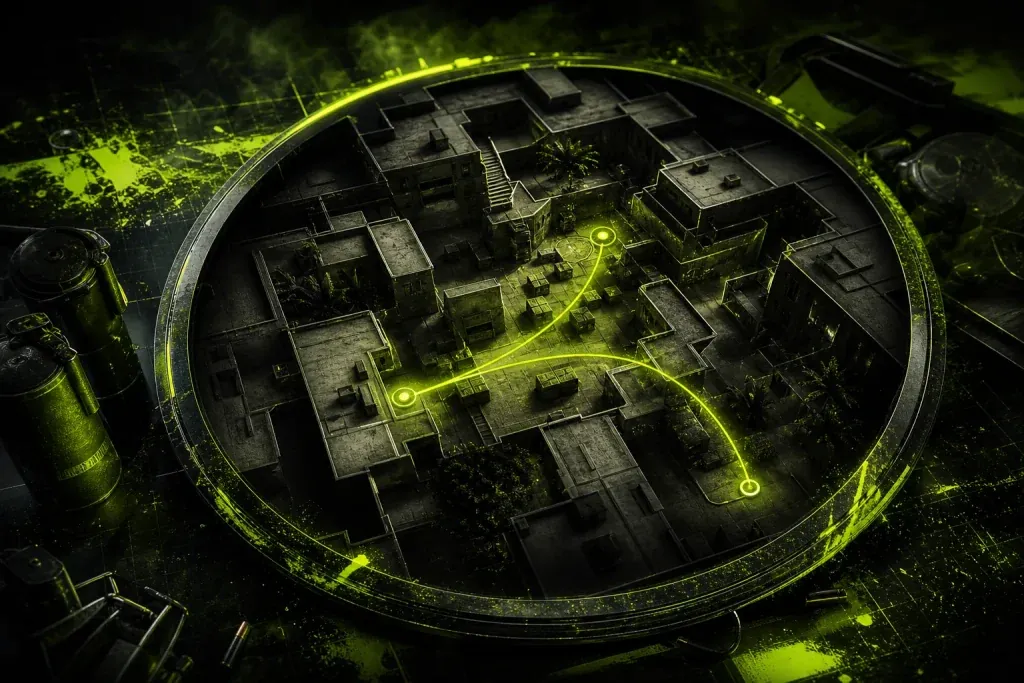
- Ivy to Z: Hit the opening shot, then fall back or shift to a deeper line. Don’t stand where every rifler expects the second peek.
- Pop to main: A classic. Take contact, then move off the angle before the Ts can line up the trade.
- Back train shuffle: Use the train bodies as cover and keep changing which gap you’re abusing. Tiny adjustment, huge payoff.
- Upper to lower rhythm: If you’re rotating, don’t run the same timing every round. Mix speed or you get pre-aimed by anyone with half a brain.
The key is not the spot itself. It’s the follow-up. AWPing on Train is basically a series of small lies. You show one angle, then vanish. Show another, then vanish again. If you stay too long, the Ts can start clearing you with utility, and then your expensive little rifle becomes dead weight.
How to play the first shot without getting farmed
The cleanest Train AWPers I’ve seen don’t even look flashy. They just never let the fight become fair twice in a row. That’s the trick. You take your first peek, maybe on a timed ramp push or an Ivy cross, and then you immediately decide where the punishment is coming from. Are they flashing wide? Reposition. Are they quiet? Reposition slower, maybe hold a deeper off-angle and make them guess.
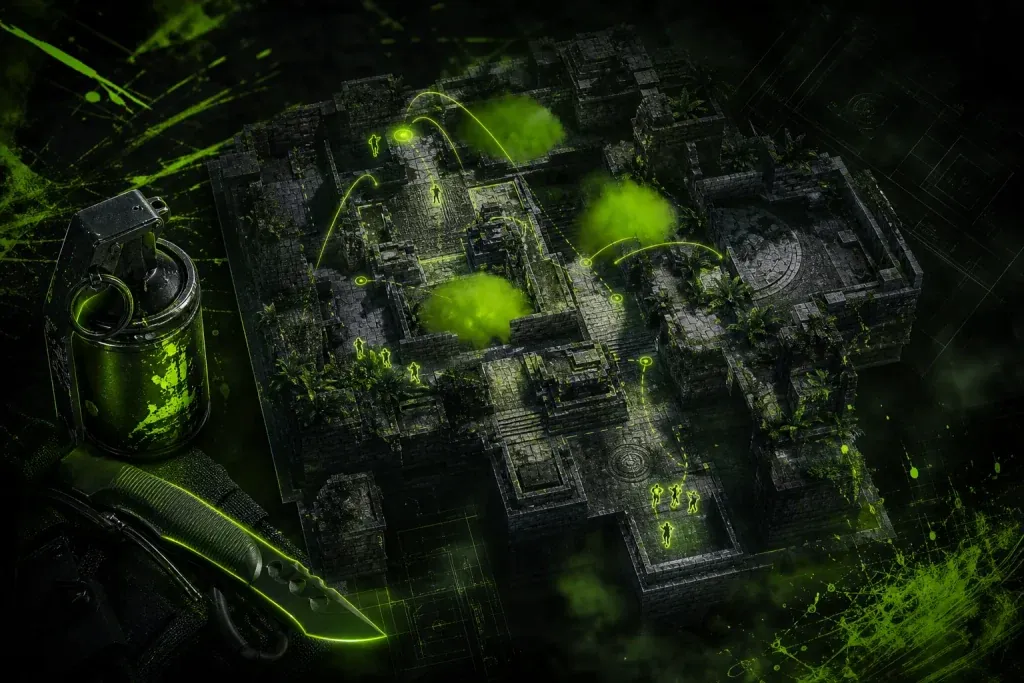
Train is especially good for this because the T side often wants to build a simple pattern: clear one side, smoke one lane, explode the other. If you keep moving after every contact, you destroy that pattern. Suddenly their “default” becomes a mini scavenger hunt, and T sides hate that. It’s why old players loved these maps and why a guy like ZywOo looks so nasty on them when he gets the rhythm right — the shot isn’t the highlight, the move after the shot is.
One more thing: don’t confuse repositioning with panic running. That’s a common mistake in CS2. People hear “move after the shot” and start sprinting around like they’re trying to escape a flashbang in a deathmatch clip. No. You want controlled relocation. One step too far and you lose the next angle. One step too little and you’re still in the crosshair.
Why this old habit works even more in CS2
Source 2 changed how shots feel, how peeks are read, and how utility blooms across the map. It didn’t erase the fact that information is everything. If anything, with the subtick system making combat feel more immediate, the punishment for repeat peeks is sharper. The opponent sees the pattern faster. The trade comes quicker. Your excuse window gets smaller.
That’s where repositioning shines. You’re not just dodging a bullet; you’re deleting their confidence. A T side trying to take A on Train wants a clean mental model: “AWP is here, smoke there, flash this, swing that.” If you’ve already moved, that model breaks. And once their spacing breaks, the whole execute gets sloppy.
You see this in pro matches all the time. At the Major level, teams don’t win these rounds because one player hit a monster flick. They win because the AWP survived long enough to force the second mistake. m0NESY does this brilliantly when he’s allowed to roam — take one angle, fall off, and suddenly he’s somewhere the Ts didn’t clear. s1mple’s whole career has been filled with these little map manipulations too, even when he’s playing more aggressively than most people should ever try.
When not to move, because yes, sometimes greed is fine
There are moments when holding after the shot is correct. If your team is stacked behind you, if you’ve got a crossfire, if the Ts are low on time and have to dry-swing you, then sometimes the best play is just to stay put and trust the round state. Train isn’t a religion; it’s a map. Context matters.
But that’s the exception, not the habit. Most players overhold because they’re scared to give up space. On Train, that fear gets you killed. The better pattern is simple:
- take the shot
- change the angle
- make them clear again
- repeat until they’re broke or tilted
That’s old-school Counter-Strike, and it still works because bad spacing never stopped being bad spacing. Whether you’re grinding 12,000 CS Rating or playing a scrappy Mirage-in-your-head style on Faceit, the same rule applies: don’t let the other side shoot you twice from the same idea.
The real lesson from Train
AWP repositioning on Train isn’t some fancy hidden tech. It’s just disciplined map sense, the kind that used to be normal in 1.6 and somehow got lost when people started treating the AWP like a stationary turret. Train brings that lesson back hard. If you’re not moving after your shot, you’re basically volunteering to be traded.
So the next time you’re holding Ivy, red train, or any of those long Train lanes, ask yourself one thing: are you AWPing like a player, or just standing there like a paid target?