


Blog
The Best Economy Buys at 5-7k When Your Team Is Broken

You know the feeling: your AWPer is on $1,750, the IGL died with no plant bonus, and half the team is staring at the buy menu like it personally offended them. This is the ugly middle of CS2 where a full save feels too passive, a full buy is impossible, and one bad hero buy can snowball the whole half. If you’ve played enough Premier to care about CS Rating and not just pretty clips, you already know these are the rounds that decide whether you’re playing from 9-3 or praying for overtime.
And yeah, the new Source 2 subtick system changed how some fights feel, but it didn’t change basic economy math. $5,000 to $7,000 is still that awkward band where good teams survive and bad teams burn their own half down. The trick is not buying “the best gun.” The trick is buying the best chance to keep the next two rounds alive.
What 5-7k actually means in a real match
When people say the team is broken, they usually mean one of two things: nobody has a clean rifle buy, or the utility stack is a mess and your default just got turned into a spreadsheet crime scene. In that price range, you’re rarely buying five AKs and three full nades unless you’ve got a monster loss bonus or a couple of plants. Most of the time, you’re choosing between a half-buy, a force-buy, or a “we need one guy to carry this round with a proper gun” setup.
That’s why I hate the lazy “everyone buys FAMAS and two flashes” approach. It looks tidy. It plays like garbage. You end up with three players under-equipped, one player over-bought, and no one with enough nades to exec Mirage A or hold Nuke outer properly.
Quick rule of thumb
- $5,000-ish: lean force, keep the round messy.
- $6,000-ish: you can usually build a real rifle buy with light utility.
- $7,000-ish: one player can afford to be the anchor with a clean kit.
The buys that actually make sense
If the team is broken, your first question should be simple: do we need damage now, or do we need to preserve next round? That answer decides everything. In CS2, especially on 64-tick servers with subtick layered on top, clean utility timing matters more than people admit. If you’re buying into a half-broken round, your flashes and smokes need to do actual work, not just decorate the buy screen.
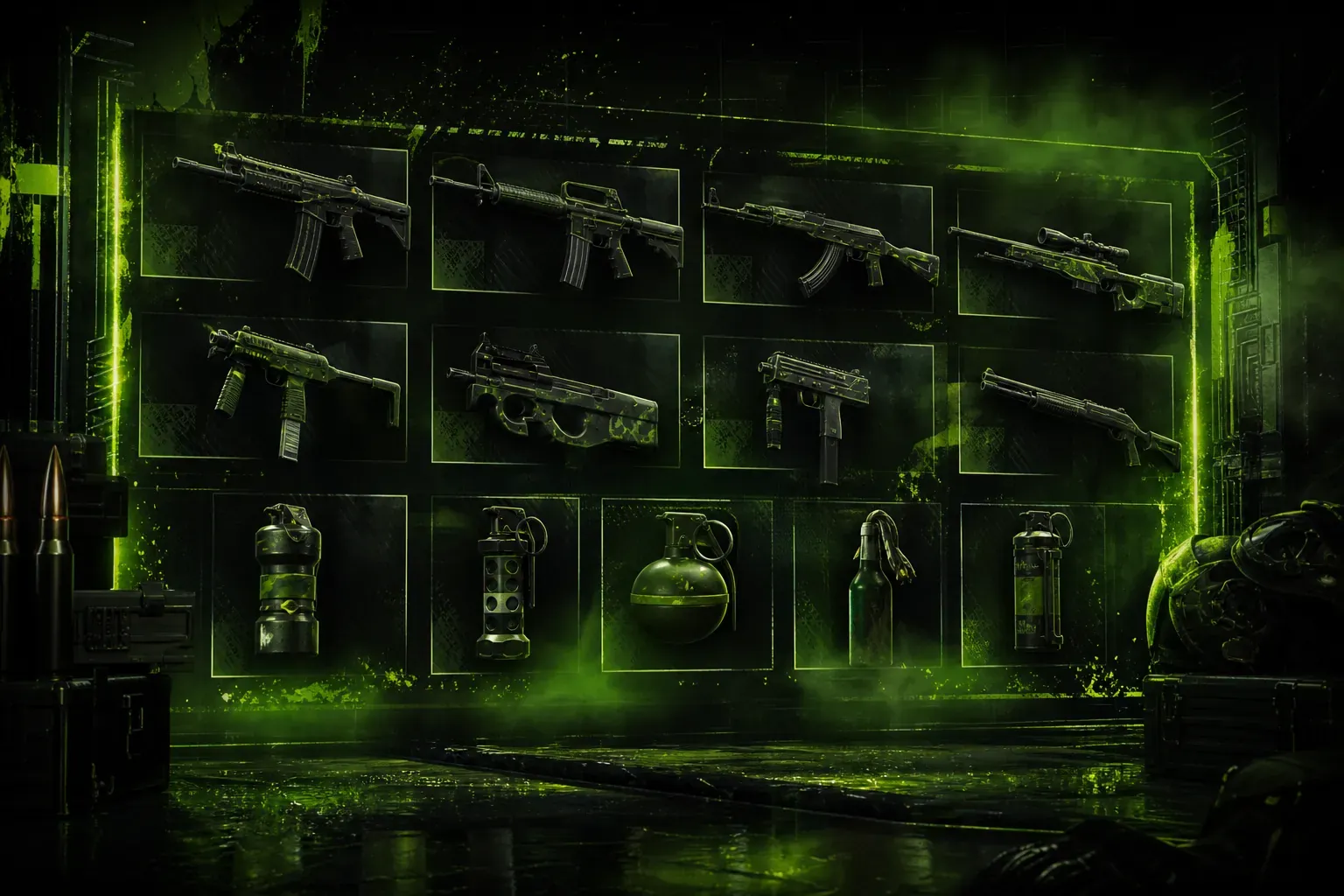
Here’s the stuff I actually trust at this money band:
- AK-47 + armor + one flash if you’re a real fragger and you expect to take space. On T side, this is the classic “give your best player a chance to open” buy.
- M4A1-S + armor + defuse kit + one smoke on CT when you’re anchoring a bombsite and need to live through the hit. That silencer is still ridiculous for holding tight angles on Inferno CT or Ancient cave.
- Galil + full utility on T if the round plan is an exec. People sleep on the Galil because it’s not sexy, but it’s way better than three rifles with zero nades when you’re hitting B on Anubis.
- MP9 or Mac-10 + utility stack if the other side is likely reset-broken too. Range matters, sure, but on Nuke lower or Mirage palace contact, close-range SMGs farm money fast.
- Deagle + armor + 2 flashes for the one player who can actually turn a useless round into an economy swing. Don’t hand this to the guy who can’t hit a stationary bot.
That last one is real. Not every broken round needs a “respectable” buy. Sometimes you need a shotgun to the head of the enemy economy, and the Desert Eagle is still the nastiest $700 you can spend if your aim is sharp. m0NESY has made a career out of making “bad” buys look criminally unfair, and sure, he’s m0NESY, but the point stands: one clean opening matters more than three mediocres.
Don’t buy five different bad ideas
The biggest mistake in these rounds is not being poor. It’s being indecisive. You’ll see teams split money into this cursed middle ground where everyone has something, but nobody has enough. Two Galils, one MP9, one Scout, one full eco nade stack. That’s not a buy. That’s five players trying to negotiate with the scoreboard.
Real teams avoid that. Watch how the disciplined squads do it at Majors or in a brutal EPL group stage: they make one player the primary gun, one player the utility mule, and the rest either go cheap or go all in on the same plan. There’s a reason old-school economy management has always been a quiet skill in top Counter-Strike — you can’t just wing this stuff and expect to keep up with donk barreling through a site like he’s been personally insulted by your defense.
If you’re around $5,800 to $6,400 as a team, this usually works best:
- One AK or M4A1-S for the strongest rifle player.
- Two cheap rifles if the round has a real execute plan.
- One SMG or scout only if the map and positions make sense.
- Utility over vanity — smoke first, extra pistol second.
And no, not every round needs a Scout. The SSG 08 looks cute when someone clips a mid-air one-tap on Mirage window, but if your team can’t actually follow up on it, you’re just gambling with a scope.
Map matters more than the buy menu
A good broken-round buy on Inferno isn’t the same as one on Nuke or Vertigo. On Inferno, you can get away with MAC-10s and stacked utility because banana fights are so often about pressure, molotovs, and timing. On Nuke, the map punishes light buys harder; if you don’t have a proper smoke or flash for ramp, outside, or lobby, you’re just donating space and praying.
Ancient and Anubis are the weird ones. Those maps reward utility more than people admit, especially when you’re trying to retake sites or contest mid control. A half-broken buy with two smokes and a molly can do more than a messy rifle spread with no plan. Dust2 is simpler, sure, but even there, a $6,000 buy with a Deagle, one AK, and a couple of flashes can absolutely punish overconfident lobbyists swinging long like it’s 2017.
My honest take: on CT, spend to hold a key choke. On T, spend to keep your execute alive. If the buy doesn’t support that, it’s a trap.
The economy is a weapon, not a scoreline
People get too emotionally attached to the idea of “buying for the round.” That’s how you end up in a dead economy by round 14. CS2’s economy still rewards discipline the same way it always has: keep the loss bonus climbing, avoid random hero spends, and know when a broken buy is really just a setup for the next gun round.
This is where the best teams look smarter than the average Premier stack. ZywOo doesn’t need to force every round to stay relevant, because his team understands when to support him with enough utility and when to let him be the solo threat. Same with s1mple in his prime — a smart team didn’t make five tiny buys around him, it built a round structure that gave his buy actual teeth. That’s the lesson. Your “best economy buy” isn’t always the most expensive one. It’s the one that preserves the next round’s rifle + kit + smoke core.
So if your team is sitting at 5-7k total and the buy menu starts looking cursed, ask one question before anyone clicks anything: which buy gives us the highest chance to win the next two rounds, not just this one?
If the answer is “five mediocre guns and no plan,” you’re already throwing.