

Blog
Why Overpass Was Eaten by Meta and What Took Its Place

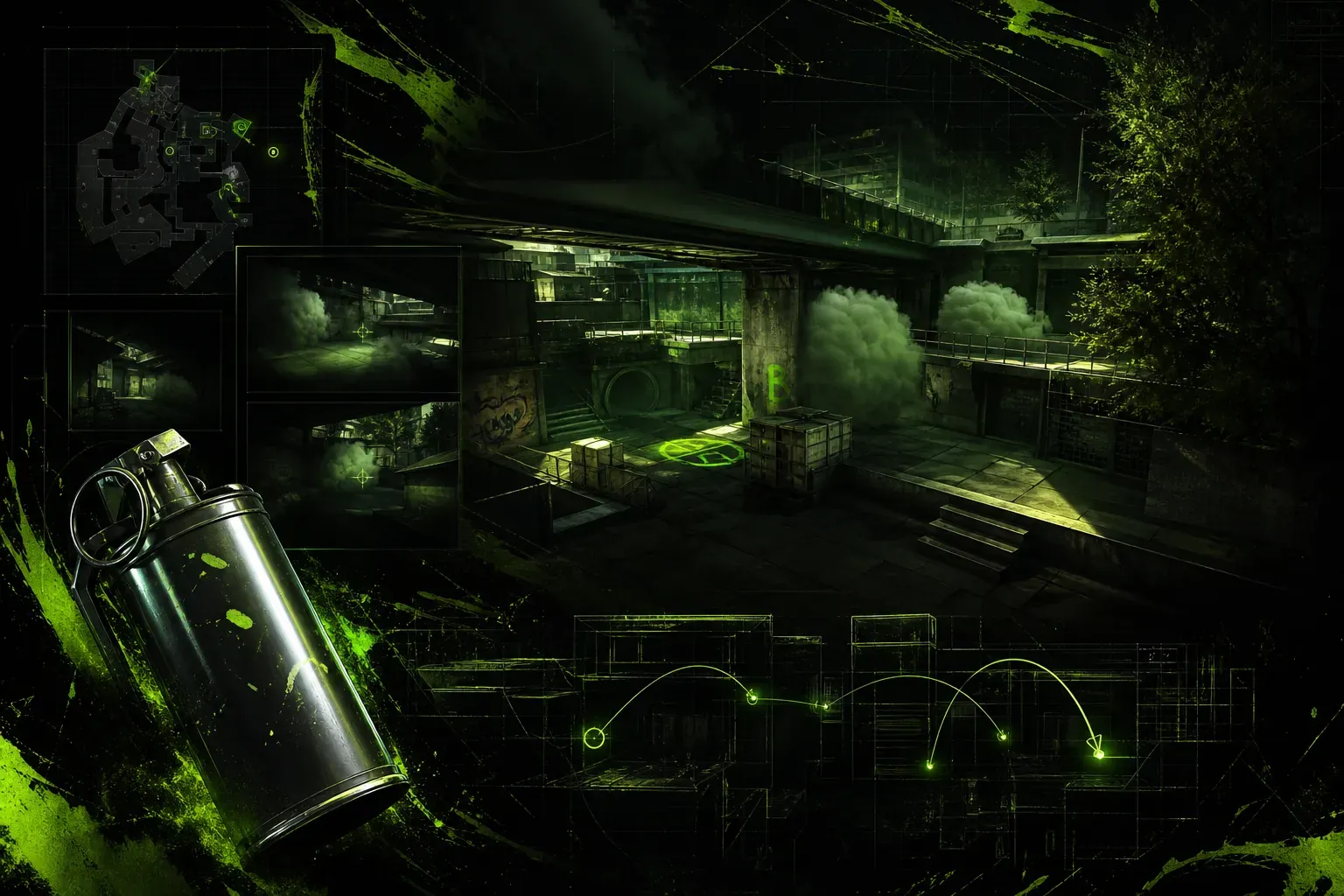
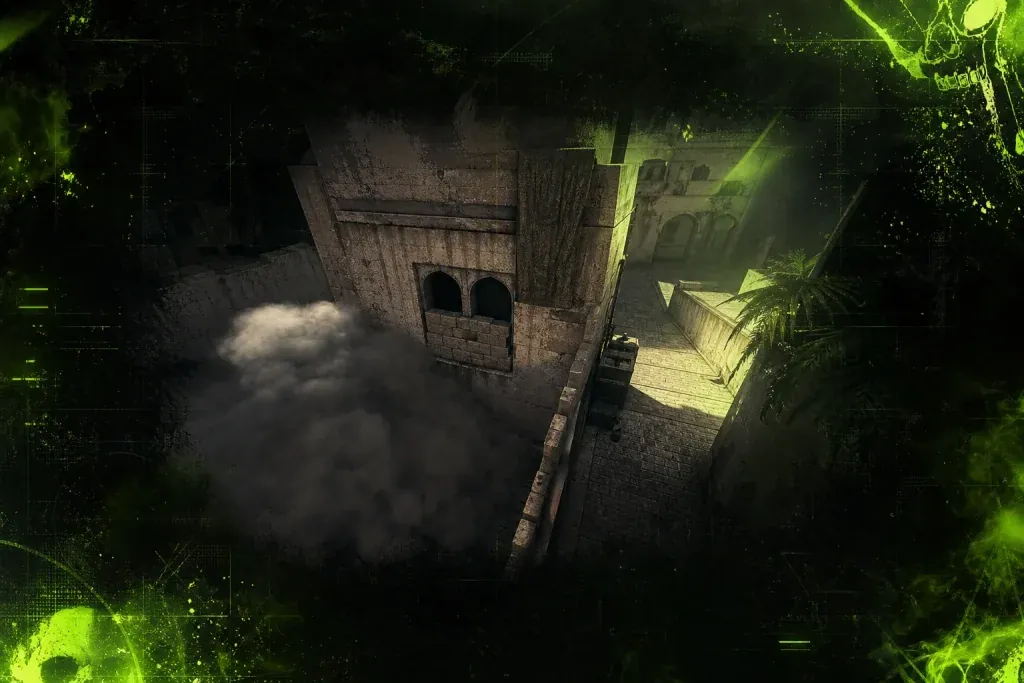
There was a stretch where Overpass just felt like the map you picked when you wanted real Counter-Strike. Not pug fairy dust. Not five guys sprinting through mid because their comp told them to. Real stuff — connector fights, B short crunches, bathroom timing, A-long spam through the wall, and one awful retake where the bomb’s planted for bank and you’re praying your smoke lineup actually lands. Then the meta moved, the pool changed, and Overpass got the kind of treatment old maps always get: not a dramatic death, just a slow starvation.
It wasn’t one thing. It was a bunch of little things stacking up until the map started feeling heavier than it should’ve. In CS2, where subtick made peek timing cleaner and utility damage became more unforgiving in practice, the maps that reward fast rotations and cleaner spacing rose up. Overpass, for all its brains, started asking for too much.
Overpass wasn’t bad. It just got expensive.
If you played Overpass seriously, you know the map had this weird economy of effort. You’d spend 40 seconds just clearing out the parts that matter, and if you missed one piece of info, the round could collapse instantly. CT side especially was brutal: one bad B setup, one mistimed A-short rotation, and suddenly the whole map felt like a hostage situation.
The problem is that CS2’s meta started rewarding teams that could do more with less. Quick info, strong mid control, faster second-wave hits. Mirage and Ancient both let you compress pressure. Nuke has always been Nuke — miserable in the best way — but it gives you vertical structure and clear punish points. Overpass had all that “structure,” sure, but too often it translated into slow, expensive rounds where the first team to run out of utility just died.
That’s not me being nostalgic either. Watch old demos from teams like NAVI or FaZe and you can see the pattern: if you lost toilets control or got your B site mollied off early, your whole mid-round tree got chopped down. You weren’t playing the map anymore; you were negotiating with it.
The utility game changed, and Overpass hated that
CS2’s subtick and cleaner movement didn’t magically make Overpass unplayable, but they did sharpen the edges. On a map where a lot of the value comes from tiny timings — who gets fountain, who crosses connector, who hits bank smoke first — the smallest mistake gets punished harder. And because grenades cost real money, teams had to be stingy. A full execute with smokes, flashes, and a molotov or two can chew through $1,500 to $2,000 per player in a round, and Overpass loves making you spend that money just to reach parity.
That’s the part people forget. Overpass wasn’t just “hard.” It was resource-draining in a way that felt outdated once the meta got more explosive. If your T side is constantly paying a tax just to take toilets or clear connector, and your CTs can sit on a tight grenade stack and fight for free, the map starts leaning into stale defaults. Nobody wants seven rounds of bathroom respect lines unless they’re getting paid by the minute.
Why the map started losing the pool battle
- Too much early-round setup.
- Rotations were powerful, but also predictable.
- Retakes often needed two or three perfect pieces of utility.
- CT-side map control was oppressive when the good teams held it correctly.
- T side needed discipline, and Premier pugs don’t exactly breed discipline.
That last one matters more than people admit. In Premier, where CS Rating is basically a weekly argument about whether your solo queue teammates know how to buy armor, Overpass was miserable to climb on unless your team was actually talking. Mirage lets bad CS players improvise. Inferno gives them at least one lane of chaos to work with. Overpass wants a plan, a second plan, and someone watching flanks the whole time.
Then the other maps started doing its job better
Map pools don’t usually change because one map is “too good.” They change because three or four maps can give players the same strategic satisfaction with less friction. That’s basically what happened here. Anubis came in with a fresh style and a much clearer identity. Ancient tightened up and became a real tactical playground. Mirage stayed the default pug king because it always does. Even Dust2, after its return, brought back that classic “just take the duel” feel that a lot of teams secretly love when the round is ugly.
Overpass used to be the control map. Now, teams could get control elsewhere without all the baggage. You want mid pressure? Mirage. You want rotations and layered utility? Ancient. You want a brawl that still has structure? Inferno. You want to punish slow defaults with brutal timings? Nuke. Overpass became the map that did a bit of everything, which sounds good until you realize it’s competing with maps that do one thing better and faster.
And that’s not even touching the pro side. Watch donk on a map like Ancient or Mirage and you can see why the modern meta values pace. He turns a stable round into a knife fight before the defense has even finished their second smoke. m0NESY does the same thing from a different angle — he’s so sharp at reading timing windows that maps with rigid, prolonged setup phases start feeling old-school. Overpass had windows, sure, but they were narrow and often too late in the round to matter if the T side got bullied early.
What actually took its place?
The short answer is: maps that let teams express structure without forcing them into a 45-second tax collection scam.
Ancient is probably the cleanest replacement in a strategic sense. It asks for space control, layered timings, and good mid-round calling, but it doesn’t feel like you’re dragging a refrigerator uphill every round. Mirage keeps winning because it’s the universal language of Counter-Strike — everyone knows the moves, and that makes it better for both pro play and Premier grind. Anubis gives teams a newer puzzle, and because the map isn’t as burned into every player’s muscle memory, it rewards prep in a way Overpass used to.
There’s also the ugly truth: viewers like action. Teams like maps where a mistake turns into a fight, not a 90-second stare-down through smoke fades and connector jiggles. At a Major, that matters. The crowd doesn’t care how elegant your bathroom re-take protocol is if the round looks dead for half a minute. The modern pool has bent toward maps that create readable chaos, then let the best players — the s1mple types, the ZywOo types, the guys who can make one opening duel turn into a full-site collapse — actually cash that chaos in.
That’s why Overpass felt like it lost its seat even before it officially got shoved out. The meta moved toward maps that rewarded impact faster. If you can’t turn your structure into kills, pressure, or space by the mid-round, you’re already behind.
Could Overpass come back if the meta swings again?
Maybe. CS always circles back. That’s the annoying magic of it. One patch, one economy tweak, one big tournament where a team like Vitality or NAVI makes an old map look godlike, and suddenly everyone starts pretending they never complained. If Valve ever nudges the pool toward slower CT holds, stronger post-plants, or utility values that make heavy executes less punishing, Overpass could absolutely re-enter the chat.
But right now? The map has too many asks. Too much setup. Too much precision. Too much room for random Premier nonsense to ruin your round before it starts. The meta wants maps where smart teams can go fast without becoming brainless, and Overpass never fully escaped being a map that punishes hesitation more than it rewards initiative.
So yeah, Overpass got eaten by the meta — not because it was broken, but because the rest of the pool learned how to do its job with less pain. That’s the real killer. When a map stops being unique and starts being inconvenient, it’s already halfway out the door.
Which one do you think deserves to be the next casualty when Valve starts shuffling the pool again?