

Blog
3 Ancient Mid Fights Every Team Should Rehearse Before Queueing

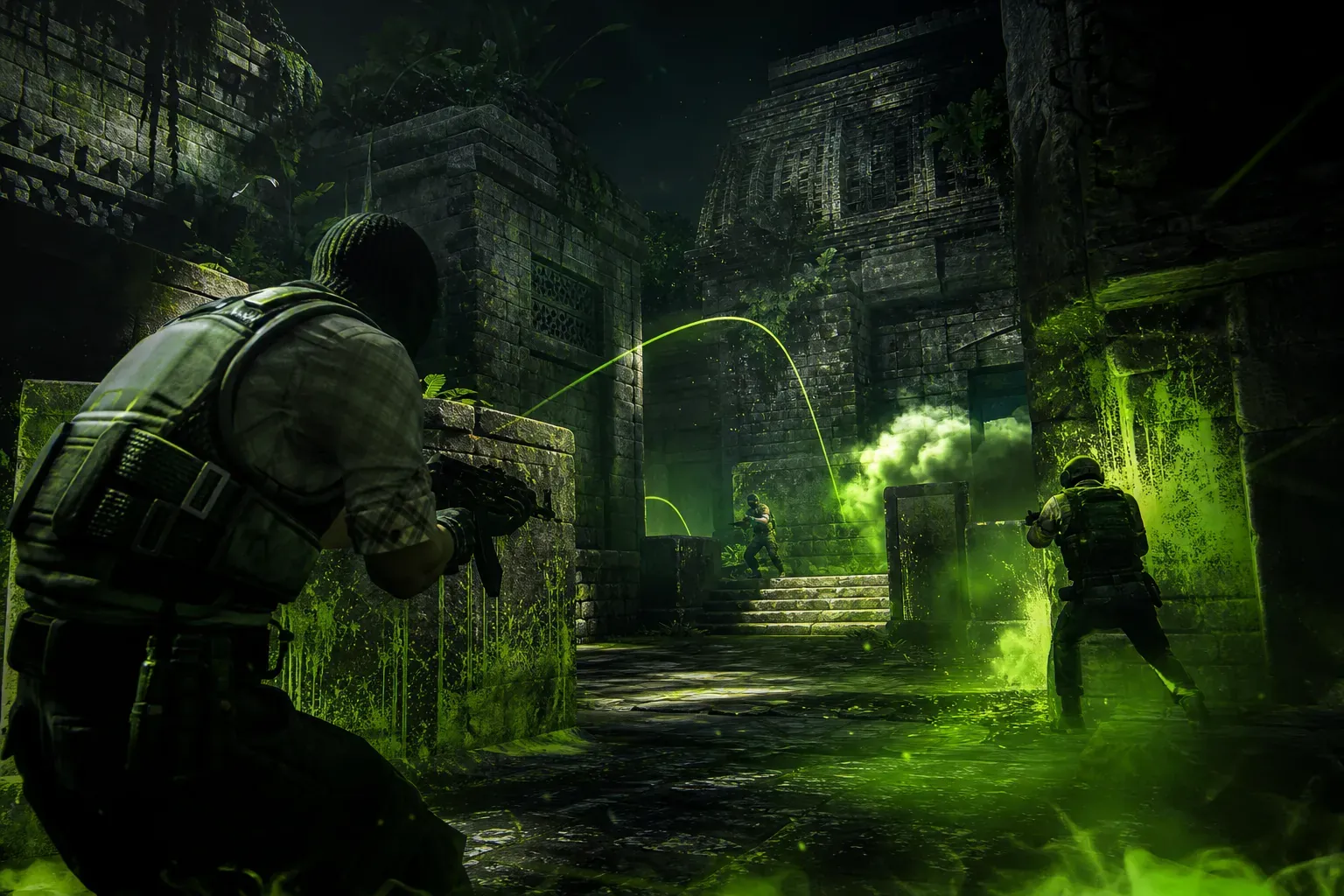
Every Ancient game has that one mid round where it turns into pure chaos: one T-side rifler swings donut, the CT mid player jiggles from lane, the A ramp lurker hears steps, and suddenly three people are dead before anyone has even called the plan. If your team is losing Ancient mid fights, you’re basically handing over the map’s best pressure point for free — and in CS2, with subtick making those first shots feel even cleaner when the peek timing is right, that’s brutal.
The funny part is Ancient mid isn’t even some magical aim duel. It’s mostly prep. Good spacing. A couple of flash timings. Knowing when to fight, when to stall, and when to just stop feeding the CTs free info. Teams that rehearse three specific mid fights can make Ancient feel way less like a brawl and way more like a map you actually control.
Why Ancient mid matters more than people admit
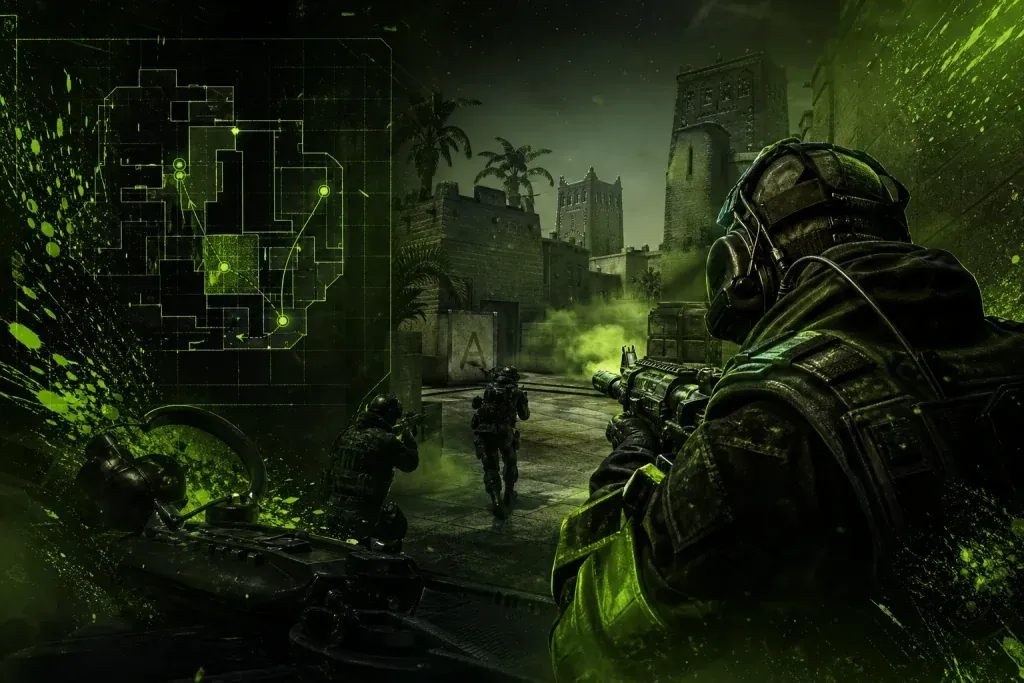
Ancient is one of those maps where mid connects everything. Donut goes straight into A pressure. Cave and B lanes open up if you drag rotations the right way. Even a tiny bit of mid control can force CTs into awkward utility decisions, and that matters a lot when the round economy is tight — especially in rounds 2 and 3, where a lost rifle or a saved smoke can snowball into a 5-figure deficit in utility damage and map control.
On Ancient, mid isn’t just a lane. It’s a pressure valve. If the T side gets it, the CT setup starts stretching. If CTs win it early, T-side defaults start feeling slow and miserable, and you end up with five players standing around like they’re waiting for a Faceit queue pop.
Fight 1: The opening mid contest for lane control
This is the cleanest fight to rehearse first because it happens every map, every side, and usually decides whether your round starts with options or with damage control.
T-side wants to take lane space fast enough to stop CTs from freely peeking mid, but not so fast that the whole team gets wiped by a pop flash or a double-swing from donut. A lot of teams mess this up by sending one player alone and hoping he wins a dry duel. That’s not a strat, that’s prayer.
What to practice
- Spawn-based timing. If your best mid spawn can reach the first line without stopping, call it and build around it.
- Two-man spacing. One player takes the contact, the second is far enough to trade, not so far that he’s late.
- Utility before ego. A lane flash or a top-mid smoke is way better than running into a scoped rifle and pretending it’s aim diff.
CTs should rehearse the opposite: a quick contest, then a fallback. Don’t overstay lane if you don’t have a rifle advantage. One kill and a clean retreat is better than getting pinched by donut and losing the round because someone wanted to be the hero. You see this a lot in pro demos too — teams like Vitality or Spirit don’t waste bodies on Ancient if they don’t need to. They take the info, play the clock, and let the T side come to them.
Fight 2: Donut control after the first contact
This is the one that separates decent Ancient teams from teams that actually understand the map. Winning the first duel in mid doesn’t matter much if you let donut become a free rotate highway.
Once your team has lane pressure, the next fight is usually around donut. Not full send, not “everyone swing at once because we’re feeling it.” You’re trying to force CTs to either commit utility or give up the angle. That means one player holds the contact, one player looks for the off-angle swing, and the rest of the team is ready to explode A or fake the pressure into a B split.
If you’re CT, don’t give donut for free just because you heard one footstep. That area is a magnet for panic rotates, and panic rotates lose rounds. Hold the angle with a crossfire if you can, or make the T side burn smokes and flashes before they get anything productive. Ancient rewards discipline more than highlight clips, even if m0NESY would probably still find a way to top-frag while half-blind.
Here’s the useful part: a decent donut fight rehearsal should include these details — and yes, they matter:
- one player watching mid timing from a safe line,
- one player ready to swing after the first contact,
- a third player holding the rotate route so nobody gets flanked through lane.
That’s the structure. Without it, donut turns into a free-for-all and your team gets split apart before the round really starts.
Fight 3: The retake fight for mid after a fake
This one gets ignored constantly in pugs, which is exactly why it wins so many rounds in Premier. Teams fake mid pressure, pull a CT rotation, then re-fight the space once the defenders have started moving. If you’ve ever watched old Major demos — Copenhagen, Katowice, any of them — you’ll notice elite teams are weirdly patient here. They don’t just “take mid.” They take it, give it back, then take it again when the CT setup is awkward.
That second fight is where Ancient gets nasty. CTs think they’ve stabilized, but now they’re split between A, lane, and donut with half their utility gone. The T side should be rehearsing a simple trigger: show presence, force response, then swing with a flash that lands late enough to catch the recovery peek. Not early. Late. There’s a difference, and subtick makes the difference feel even sharper when the timing is on point.
What usually goes wrong?
- The fake is too obvious.
- The re-take happens with no flash support.
- Someone decides to lurk too deep and dies alone, which kills the whole pace shift.
If you’re running this well, the round often looks boring until suddenly it isn’t. That’s the goal. Boring CS is winning CS.
The economy side nobody wants to talk about
Ancient mid fights don’t exist in a vacuum. They’re tied to money, and money decides how hard you can contest them. A CT team on a full eco can’t realistically fight lane and donut at the same level as a rifle round. A T side with only one rifle and four pistols shouldn’t be trying to brute-force mid like donk in a highlight clip. That’s how you lose your force-buy and hand over the next two rounds as well.
Simple rule: if your team has around $2,000 per player after buying, don’t cosplay a full mid take unless the utility is actually there. Two flashes and a smoke are fine. Five headless chickens swinging into a KAST farm are not. Ancient punishes lazy buys harder than people think because the map gives CTs so many ways to stall if they’re ahead on utility.
And yeah, this is where a lot of Premier teams throw. They see a 12k CS Rating lobby and suddenly think every round has to be a five-man brawl. No. Build the round, take space, then fight with a purpose. That’s how you stop Ancient from becoming a coin flip.
How I’d rehearse these fights before queueing
If you want the clean version, run these three scenarios in prac for 10 to 15 minutes each:
- opening lane contest with trade spacing,
- donut control after first contact,
- fake-mid into re-take timing.
Don’t just dry run them once and call it good. Rehearse them from both sides. Swap roles. Let your entry player be the one calling the timing, then let your support player do it. The whole point is getting the team used to Ancient’s rhythm so nobody freezes when the first contact happens at 1:42 and the comms turn into six people talking over each other.
Also, stop treating Ancient mid like a bonus lane. It’s the round. Win it, and the rest of the map gets easier. Lose it, and you’re spending the next 40 seconds reacting while the other team gets to play CS.
So before you queue up again, ask yourself this: are you actually ready for Ancient mid, or are you just hoping someone on your team hits a one-tap and saves the round?